
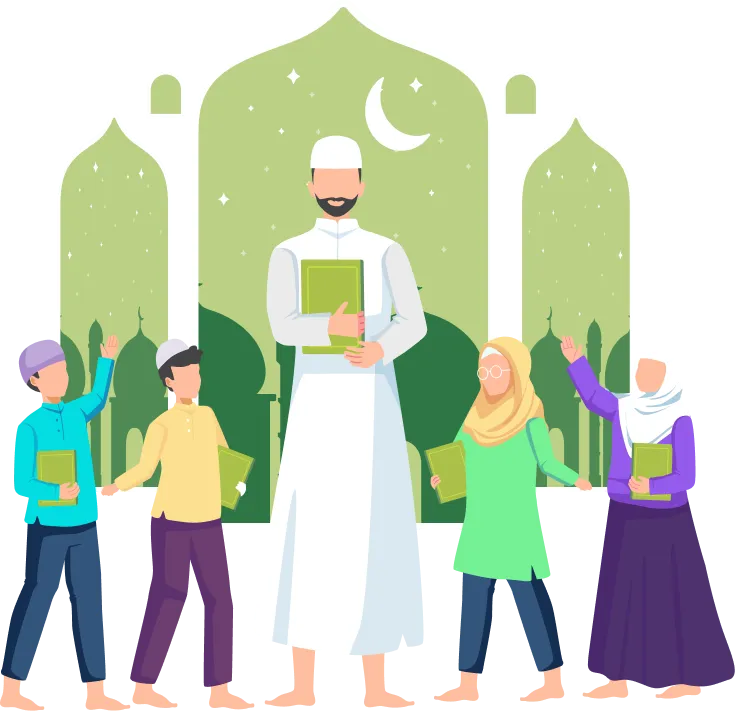
Introduction
You have said the shahada. You have declared that there is no god but Allah and that Muhammad (SAW) is His messenger. In those words, you joined a community of nearly two billion people — a community that spans every continent, every language, every culture on earth.
Now what?
For many new Muslims (or reverts, as many prefer to be called — returning to the fitrah, the natural state all humans are born in), this is the point where the journey becomes practical, personal, and sometimes lonely. You’ve made the most important declaration of your life. And you may not know a single other Muslim.
This guide is for that moment.
Taking Shahada: What Happens Next
Taking shahada is an act of intention and declaration. In Islamic jurisprudence, it is valid the moment it is sincerely spoken, with no witnesses required (though having witnesses is sunnah and practically useful).
If you’ve taken shahada, or are considering it, here is what typically follows:
Ghusl (ritual purification). Many scholars recommend performing a full ritual bath (ghusl) after taking shahada. It is a symbolic and practical cleansing — a physical expression of the new beginning.
Learning salah. The five daily prayers become obligatory upon taking shahada. Learning how to perform them — the physical actions, the Arabic phrases, the timings — is the first practical learning task.
Basic Islamic identity. Halal food, Islamic modesty, the prohibition of alcohol — understanding the basic parameters of Islamic living helps you navigate daily life practically.
None of this needs to be perfected immediately. Allah is Al-Rahman, the Most Compassionate. He knows you’re new. He knows you’re learning. He knows your sincere intention.
Finding a Mosque That Welcomes New Muslims
Not all mosques are equally welcoming to new Muslims, particularly to converts from non-Muslim backgrounds who may look, dress, or speak differently from the existing congregation.
The best way to find a welcoming mosque is to ask. Contact the mosque by phone or email before visiting. Introduce yourself as a new Muslim and ask whether there is a revert support program or a point of contact for new Muslims. The response tells you a great deal.
Organizations that specifically support new Muslims can direct you to welcoming communities:
- MEND (UK) — supports new Muslims and has community connections
- New Muslim Project (UK) — offers one-on-one mentoring for reverts
- Islamic Society of North America (ISNA) — has revert support programs
- WhyIslam (US/Canada) — provides local referrals and support
- Australian Federation of Islamic Councils — can connect you with local communities
What to Wear, How to Behave, What to Say on Your First Visit
First visits to a mosque can feel overwhelming. Here is practical guidance:
Clothing. Modest dress is appropriate for all genders. For women, covering hair is expected inside a mosque. Wearing a hijab for your mosque visit, even if you don’t wear it otherwise, is respectful and will be warmly received. For men, clean, modest clothing — no shorts.
Shoes. Remove your shoes at the entrance, as you would in any prayer space. Follow what others do.
Greetings. The Islamic greeting is “Assalamu Alaikum” (peace be upon you). If you’re not comfortable with Arabic yet, a smile and a nod are universally understood. “As-salaamu alaikum” as a greeting will be warmly received from a new Muslim.
Prayer. If you don’t know how to pray yet, you can simply sit and observe. No one will expect a new Muslim who arrived today to lead prayers. Watching and following will be understood and respected.
Asking for help. Most mosque communities are deeply generous with new Muslims. “I’m new to Islam” is a sentence that typically generates immediate warmth and assistance. Don’t be afraid to say it.
Making Friends in the Community — Practical Advice
Community connection doesn’t happen automatically. It requires some intentional effort, especially for people who are new to the community or introverted.
Attend regularly. Community relationships form through repetition and familiarity. Coming every Jummah, even when you don’t know anyone yet, gradually builds familiarity.
Join a class or halaqa. Islamic learning circles (halaqas) are the best entry point to community. You share a purpose, have regular contact, and naturally develop relationships.
Volunteer. Serving food at iftar, helping with a community event, assisting with the maktab — volunteering puts you in contact with motivated, active community members and gives you a role.
Be honest about where you are. “I’m a new Muslim and I’m still learning” is a sentence that almost universally generates patience and support. You don’t need to project confidence you don’t feel.
Common Struggles New Muslims Face
Family relationships. Many new Muslims face tension with non-Muslim family members who don’t understand the conversion, or who experience it as a rejection of family identity. This is one of the hardest aspects of conversion, and it requires patient, loving communication over time.
Cultural vs religious Islam. Muslim communities carry enormous cultural baggage. A new Muslim may encounter Arab cultural practices, South Asian customs, or sectarian tensions that have nothing to do with Islam itself. Learning to distinguish the religion from its cultural expressions takes time and guidance.
Information overload. Well-meaning Muslims will tell you many things — some of them contradictory. Learn gradually. Prioritize the foundational: the five pillars, basic aqeedah, salah. Everything else can come in its time.
Isolation. If you don’t live near a Muslim community, or if the local community is not welcoming, isolation is a real risk. Online communities can bridge this gap.
Online Communities for New Muslims
Several online communities specifically serve new Muslims:
- r/NewMuslims (Reddit) — active, generally supportive, asks welcome
- MuslimsOnline — structured resources and community
- WhatsApp groups for new Muslims — ask your local mosque or a national revert support organization
- Ilmify’s learning community — study alongside other Muslim learners globally
The combination of online community and local physical community tends to work best. The internet provides connection when geography fails; in-person connection provides presence and belonging when screen time isn’t enough.
Learning Islam as a New Muslim: Where to Start
The sequence matters. Don’t try to learn everything at once.
First priority: Salah. Learn how to pray — the wudu, the rakahs, the timings. An app like Muslim Pro can give you prayer times. YouTube guides or a local teacher can walk you through the actions.
Second priority: Quranic Arabic basics. You don’t need to learn Arabic fluently immediately, but learning to read the Arabic alphabet — so you can follow the prayer — is a foundational early step.
Third priority: Aqeedah fundamentals. Understanding what you believe and why. There are excellent structured courses for new Muslims at SeekersGuidance and on Ilmify.
Ongoing: Seerah. Get to know the Prophet (SAW)— his character, his life, his relationships. The more you know him, the more the religion makes sense as a living, practiced way of life.
Ilmify’s New Muslim Learning Path
Ilmify has a specifically designed new Muslim learning track: starting with Quranic Arabic basics, moving through salah and practical fiqh, then foundational aqeedah and seerah. Our teachers understand the specific context of new Muslims — including the family dynamics, the cultural confusion, and the spiritual intensity of early faith.
You are not alone. You are part of a community that stretches across the world and across fourteen centuries.
Related Articles
- How to Find a Good Islamic Center Near You
- What Is Jummah?
- Top 10 Islamic Online Courses
- Islamic Education Online
- Muslim Community Centers
- Free Islamic Courses Online
- How to Start Learning the Quran Online
- Yaqeen Institute Explained




 Arabic
  English
  Malay
Malay  Urdu
Urdu