

Introduction
In India’s Islamic education landscape, much attention goes to the major national bodies — Idara-e-Deeniyat, SKIMVB, MTB, Jamiat DTB — that provide curricula, textbooks, and examination systems to tens of thousands of affiliated maktabs. Less attention is paid to a different type of organisation: the Wifaqul Makatib — maktab federation bodies that coordinate, support, and sometimes represent the interests of groups of local maktabs, often operating at city, district, or regional level.
Understanding what Wifaqul Makatib bodies do — and why they matter — is important for anyone working in Islamic education administration in India, particularly in South India where local coordination bodies play a more visible role than in the North.
What Is a Wifaqul Makatib?
Wifaq is an Arabic word meaning agreement, coordination, or federation. Makatib is the plural of maktab — Islamic elementary schools. Together, Wifaqul Makatib means the federation or coordination body of maktabs.
In the Indian Islamic education context, Wifaqul Makatib bodies are typically:
- City or district-level organisations that bring together independently operated maktabs in a geographic area
- Not curriculum bodies in the way that Deeniyat or Samastha are — they typically do not publish their own textbooks or run their own examination systems
- Coordination and representation bodies — providing practical support, advocacy, and collective identity to affiliated maktabs
The term “Wifaqul Makatib” is used by organisations at different scales across India, from small city-level bodies coordinating a few dozen maktabs to more substantial state-level federations.
What Maktab Federations Actually Do
The specific functions of a Wifaqul Makatib body vary by organisation, but commonly include:
| Function | Description |
| Registration and affiliation | Maintaining a register of affiliated maktabs in the area |
| Teacher placement | Connecting qualified teachers with maktabs seeking teachers |
| Collective examination coordination | Coordinating examinations for affiliated maktabs (often under a national board’s framework) |
| Advocacy | Representing maktab interests to local authorities, government bodies, and community organisations |
| Dispute resolution | Mediating disputes between maktabs, or between maktabs and mosque committees |
| Quality monitoring | Periodic visits to affiliated maktabs; feedback on teaching quality and administration |
| Training events | Coordinating local teacher training sessions |
| Resource sharing | Bulk purchase of textbooks; shared access to teaching materials |
| Networking | Creating peer networks among maktab administrators and teachers |
Not every Wifaqul Makatib body performs all of these functions. The level of active support provided varies enormously — some are genuine operational hubs; others are primarily nominal registration bodies.
Wifaqul Makatib in Karnataka
Karnataka has several Wifaqul Makatib bodies operating at different geographic scales and within different Islamic traditions.
Bengaluru City-Level Bodies
In Bengaluru, multiple Wifaqul-type bodies operate across different Muslim communities and traditions:
- Deobandi-tradition Wifaqul bodies coordinate Deeniyat and DTB-affiliated maktabs in North Bengaluru and the old city areas
- South Indian tradition bodies coordinate Shafi’i-tradition maktabs in the southern and central parts of the city
- Independent community bodies in specific neighbourhoods that coordinate the local maktabs irrespective of board affiliation
These bodies often have overlapping geographic coverage, reflecting Bengaluru’s extraordinary Muslim community diversity.
Coastal Karnataka
In Dakshina Kannada and Udupi, the Byari Muslim community’s maktab network is coordinated through bodies that reflect the Kerala-linked Shafi’i tradition. These bodies work closely with SKIMVB structures given the cultural and geographic links to Kerala.
North Karnataka
In the Urdu-speaking North Karnataka districts, Wifaqul-type bodies tend to align with the Deobandi or Barelvi traditions dominant in those areas, coordinating maktabs that affiliate with Deeniyat, DTB, or local curriculum frameworks.
Wifaqul Bodies Across India
Wifaqul Makatib bodies exist across India, typically more active at regional or local level than at the national level:
| State / Region | Character of Wifaqul Bodies |
| Uttar Pradesh | Multiple city-level bodies; Deobandi and Barelvi traditions have separate federations in many cities |
| Maharashtra | Active in Mumbai and Pune; city-level coordination within Deobandi tradition primarily |
| Karnataka | Multiple city and district bodies across different traditions |
| Andhra Pradesh / Telangana | Active coordination bodies; some state-level Wifaqul structures |
| Tamil Nadu | Less formalised than Karnataka; community-specific bodies |
| Kerala | Samastha’s district committee structure effectively performs the Wifaqul function for SKIMVB — separate Wifaqul bodies less prominent |
In Kerala, SKIMVB’s highly structured district committee network means that a separate Wifaqul Makatib body is less necessary — the board itself provides the coordination function at district level. In states with more fragmented maktab landscapes (Karnataka, UP, Maharashtra), local Wifaqul bodies fill a coordination gap that no single national board covers.
How Wifaqul Differs from a Maktab Board
| Feature | National Maktab Board (e.g. Deeniyat, MTB) | Wifaqul Makatib Federation |
| Geographic scope | National | City / district / regional |
| Curriculum | Develops and owns curriculum | Usually uses national board curriculum |
| Textbooks | Publishes own textbooks | Usually distributes national board books |
| Examination | Runs own national examination | Usually administers national board exams locally |
| Certificates | Issues own certificates | Usually issues national board certificates |
| Primary function | Curriculum + examination authority | Coordination + representation + support |
| Multiple board affiliations | No — affiliated institutions follow one board | Yes — may coordinate maktabs affiliated with multiple national boards |
| Community embeddedness | National relationship | Local — deeply community-embedded |
The key distinction is that a national maktab board owns the curriculum and examination system; a Wifaqul Makatib body is primarily a coordination and support structure that works with national boards rather than replacing them.
The Role of Wifaqul in Quality Assurance
One of the most valuable functions a Wifaqul Makatib body can perform — but one that many do not perform effectively — is quality monitoring of affiliated maktabs.
Without some form of quality oversight, maktabs in a city can vary enormously:
- One maktab with a qualified, punctual teacher who maintains careful records and communicates well with parents
- Another maktab in the same area with an unqualified teacher who arrives late, keeps no records, and has not communicated with parents in months
Both maktabs may be affiliated with the same national board. The national board, operating at scale from a central office, has limited capacity to monitor individual centre quality. A local Wifaqul body, embedded in the community, is better positioned to notice problems and intervene.
Effective Wifaqul quality monitoring includes:
- Regular visits to affiliated maktabs
- Assessment of teacher qualifications and attendance
- Review of student registers and progress records
- Parent feedback mechanisms
- Reporting on non-performing centres to the mosque committee
This is the quality assurance function that no national board can adequately perform for tens of thousands of individual centres — but that local coordination bodies can, in principle, provide.
Wifaqul and Examination Systems
Many Wifaqul Makatib bodies play a practical role in the examination process of national boards — particularly in coordinating:
- Examination centre arrangements for affiliated maktabs
- Distribution of question papers
- Collection and dispatch of answer scripts
- Distribution of marksheets and certificates to affiliated maktabs
This examination coordination function gives Wifaqul bodies a practical, valued relationship with affiliated maktabs even where their curriculum and quality monitoring functions are limited. Maktabs that rely on a Wifaqul body for examination logistics have a tangible reason to maintain their affiliation and engagement.
Limitations of the Wifaqul Model
Inconsistent capacity. Wifaqul Makatib bodies vary enormously in their organisational capacity — from professionally run bodies with full-time staff to voluntary committees of mosque imams meeting once a year. A Wifaqul affiliation means very different things depending on which body it is.
Limited authority. Unlike national boards, most Wifaqul bodies have no formal authority over affiliated maktabs — they cannot compel changes in teaching quality, enforce administrative standards, or remove a non-performing teacher. Their influence is persuasive rather than authoritative.
Political dynamics. Like most Islamic community organisations in India, Wifaqul bodies are subject to the internal politics of Muslim community life — factional disputes, personality conflicts, and competition for community influence can all impede effective functioning.
No digital infrastructure. Virtually no Indian Wifaqul body has digital systems for tracking the maktabs it coordinates — which maktabs are active, how many students are enrolled, which teachers are qualified, which centres sat examinations last year. Everything is managed informally. This limits the body’s ability to provide genuine oversight or useful data to national boards or community stakeholders.
Frequently Asked Questions
Q: Is a Wifaqul Makatib affiliation required to run a maktab?
No — a maktab can affiliate with a national board (Deeniyat, MTB, Samastha) without any involvement with a local Wifaqul body. In many areas, Wifaqul affiliation is optional and supplementary to the national board relationship.
Q: What is the difference between Wifaqul Makatib and Wifaqul Madaris?
Makatib is the plural of maktab — part-time Islamic elementary schools. Madaris is the plural of madrasa — including full-time institutions. Wifaqul Madaris bodies (like Pakistan’s major Wifaqs) coordinate full-time madrasas and have authority over advanced qualifications. Wifaqul Makatib bodies in India typically coordinate part-time maktabs and have much more limited scope and authority.
Q: How can a mosque committee find the Wifaqul Makatib body in their city?
Ask the local mosque community — the Wifaqul body in your area will typically be known to nearby maktab administrators and mosque committees. If no local Wifaqul body exists, consider directly affiliating with a national board.
Q: Do Wifaqul bodies publish their own curriculum?
Occasionally — some district-level Wifaqul bodies have produced supplementary materials for local use. However, most rely on national board curricula (Deeniyat, MTB, etc.) rather than developing their own.
Q: Is there a national Wifaqul Makatib for all of India?
No single national Wifaqul body coordinates all Indian maktabs. The national coordination function is performed by the national boards (Deeniyat, MTB, Samastha, Jamiat DTB) rather than by a separate federation body.
Conclusion
Wifaqul Makatib bodies are the largely invisible middle layer of India’s Islamic education ecosystem — operating between the national boards that provide curriculum and examinations, and the individual maktabs that deliver education on the ground. Where they function well, they provide valuable coordination, teacher placement, quality monitoring, and advocacy that national boards cannot provide at local level. Where they function poorly — or merely nominally — they add little value.
For maktab administrators, understanding whether a local Wifaqul body in your area is genuinely active and useful is worthwhile. For anyone building a new maktab network or federation, the lessons from well-functioning Wifaqul bodies point clearly to the value of combining community embeddedness with basic digital infrastructure for tracking affiliated institutions.
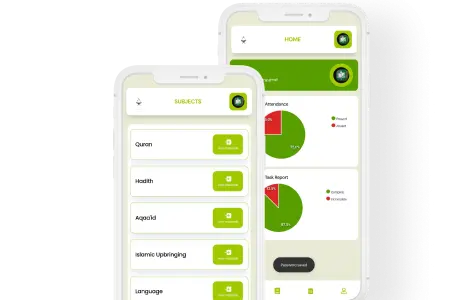
Ilmify can serve Wifaqul bodies directly — providing a simple dashboard for federation administrators to see which affiliated maktabs are active, how many students are enrolled, and which centres are lagging on examinations or attendance. Explore Ilmify →




 Arabic
  English
  Malay
Malay  Urdu
Urdu