
Introduction
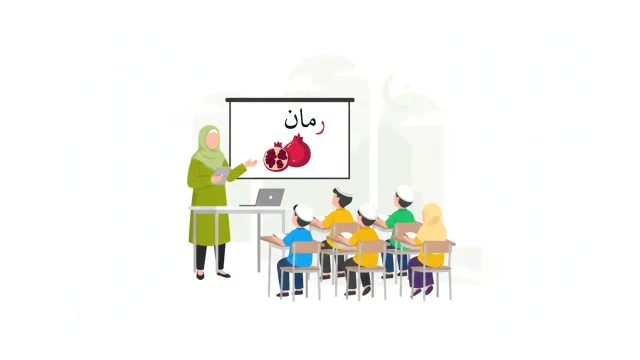
If you have a child enrolled in a Malaysian government primary school, there is a strong chance they attend KAFA — Kelas Al-Quran dan Fardu Ain — several afternoons each week. Despite being one of the most widespread Islamic education programmes in the country, with sessions running in thousands of schools across all thirteen states, KAFA is often misunderstood: parents know their child attends, but fewer understand what it is, who manages it, what it teaches, or how it fits into the broader Malaysian Islamic education landscape.
This guide answers all of those questions clearly.
What Does KAFA Stand For?
KAFA stands for Kelas Al-Quran dan Fardu Ain — literally, “Al-Quran and Fardu Ain Class.” In English, this translates to “Quranic Recitation and Individual Islamic Obligations Class.” The name captures the two pillars of what KAFA teaches:
Al-Quran: The ability to read the Quran correctly — from recognising the Arabic alphabet through to reading the Quran from the Mushaf (the printed text) with proper Tajweed (recitation rules). Students also memorise selected short Surahs (chapters) for use in Salaah (prayer).
Fardu Ain: The personal religious obligations every Muslim must know — how to perform Wudhu (ablution), how to pray the five daily Salaah, how to observe the Ramadan fast, basic Islamic beliefs (Aqeedah), and fundamental Islamic manners and ethics. These are called Fardu Ain because they are obligatory on every individual Muslim — not on the community as a whole, but on each person specifically.
Together, KAFA covers the minimum that every Malaysian Muslim child must know in order to function as a practising Muslim. It is not advanced Islamic scholarship — it is the essential Islamic literacy that every Muslim needs.
A Brief History of KAFA
KAFA has been implemented since 1990, managed by the Malaysian Islamic Development Department (JAKIM) in collaboration with the Ministry of Education Malaysia and the State Governments. The programme was established with a clear objective: to address the reality that many Muslim children were completing primary school unable to read the Quran, unaware of basic Fardu Ain, and without the Islamic character formation that the national education system alone could not provide.
The KAFA programme began as a direct response to a recognisable problem: Muslim children in Malaysia spent the majority of their school day in a system designed around a secular national curriculum. Without a structured supplementary programme, generations of children were completing their formal schooling with no functional Islamic education. KAFA was the structured, nationally coordinated solution.
Implementation of KAFA classes is now managed uniformly nationwide by State Religious Authorities, coordinated by JAKIM through the Advisory Board for the Coordination of Islamic Education (LEPAI), which has been operating since 1990 across the entire country. The emphasis is on practical religious education — Quranic recitation with Tajweed, Fardu Ain knowledge, and the skill of reading and writing Jawi (the Malay script written in Arabic letters).
In 2024, JAKIM launched KAFA 2.0 — an updated curriculum reflecting thirty years of accumulated experience and designed to be more relevant, pedagogically sound, and effective in addressing the Islamic education needs of Malaysian Muslim children today. A new format for the UPKK (Ujian Penilaian Kelas KAFA — the KAFA assessment examination) was developed based on the KAFA 2.0 curriculum, with the first cohort of candidates sitting the new format in 2024.
How KAFA Is Structured
KAFA operates as a part-time, supplementary Islamic education programme held during or after school hours. It is not a full-day Islamic school — it sits alongside the national secular curriculum, complementing it rather than replacing it.
The minimum teaching time for KAFA is thirty-six hours, with three school days per week. However, implementation varies by state — some states implement KAFA for three days per week and others for five days per week. Similarly, the year levels covered differ: Kelantan implements KAFA for Year Two to Year Five only, while Kedah and Pahang cover Year One to Year Five, and most other states cover Year One through Year Six.
The programme is typically conducted in the same school building as the national school, using classrooms in the afternoon after the mainstream school day has ended. In some schools it runs as an integrated model within the school day itself. The teacher — known as the Guru KAFA — is appointed and remunerated specifically for this role, separate from the mainstream school’s teaching staff.
Who Manages KAFA?
The KAFA programme operates through a layered governance structure:
JAKIM (Jabatan Kemajuan Islam Malaysia) — The federal-level Department of Islamic Development Malaysia is the central body responsible for KAFA policy, curriculum development (including KAFA 2.0), assessment standards, teacher training guidelines, and national data coordination. JAKIM’s Bahagian Pendidikan (Education Division) oversees the programme nationally.
State Islamic Religious Authorities (Jabatan Agama Islam Negeri / Majlis Agama Islam Negeri) — Each state’s Islamic Religious Department or Council manages the day-to-day implementation of KAFA within their state. This includes appointing supervisors (Penyelia KAFA), managing teacher deployment, handling state-level assessment logistics, and coordinating with individual schools.
SIMPENI (Sistem Maklumat Pendidikan Islam) — JAKIM maintains SIMPENI, the Islamic Education Information System, which is the official data platform for recording and coordinating data on all Islamic educational institutions in Malaysia — including KAFA classes, Sekolah Agama, Tahfiz schools, Pondok institutions, and kindergartens. Regular workshops are held to ensure state-level data coordinators keep SIMPENI records current and accurate.
Guru KAFA (KAFA Teachers) — The classroom-level implementers of the programme. Guru KAFA are appointed specifically for this role and receive dedicated training, including regular Kursus Penataran Kurikulum (curriculum enhancement courses) to ensure they are teaching the current version of the syllabus correctly.
What Does KAFA Teach? The Full Curriculum
The KAFA 2.0 curriculum covers five main subject areas across the primary school years:
1. Al-Quran (Quranic Recitation and Study)
Students progress from the Qa’ida (Arabic literacy foundation — learning the alphabet, vowel system, and reading rules) through to Nazirah (reading the Quran from the Mushaf). Tajweed — the rules of correct recitation — is taught throughout. Students also learn to write Arabic and Jawi script. Selected Surahs from Juz Amma (the 30th section of the Quran) are memorised for use in daily Salaah.
2. Fardu Ain (Personal Religious Obligations)
This is the practical core of KAFA. Students learn how to perform Wudhu (ablution before prayer), Ghusl (the full purification bath), Tayammum (dry ablution), and all five daily Salaah in their correct method. The conditions, obligatory elements, Sunnah acts, and common mistakes of each act of worship are covered in detail. Students must demonstrate practical competency, not just theoretical knowledge.
3. Aqeedah (Islamic Beliefs)
Students study the six pillars of Islamic belief — faith in Allah, His Angels, His Books, His Prophets, the Last Day, and divine decree. Correct Aqeedah is treated as the foundation of everything else in the curriculum.
4. Akhlak (Islamic Character and Ethics)
Islamic manners, ethics, and character — how to treat parents, elders, teachers, and peers; how to speak, eat, and conduct oneself in Islamic terms; the character of the Prophet Muhammad ﷺ as a model. This dimension of character formation is considered inseparable from the knowledge curriculum.
5. Sirah and Islamic Studies
Selected stories from the life of the Prophet Muhammad ﷺ and the Sahabah (companions), Islamic history at an age-appropriate level, and selected Hadith relevant to daily life.
KAFA vs. Sekolah Agama vs. SMKA: Understanding the Differences
Parents sometimes confuse KAFA with the full-time Islamic schools that also exist within the Malaysian educational landscape. The distinctions are important:
KAFA is a part-time supplementary programme integrated into or alongside the national primary school. It adds approximately three to five sessions per week of Islamic education to the mainstream school experience. It does not award academic certificates but ends with the UPKK assessment.
Sekolah Rendah Agama (SRA) / Sekolah Agama Rakyat (SAR) are full-time community-run Islamic primary schools. Students attend these instead of the national primary school, receiving both secular and Islamic education within an Islamic institutional framework.
Sekolah Menengah Kebangsaan Agama (SMKA) are government full-day secondary schools that offer both the national academic curriculum and a substantial Islamic studies component. Students in SMKA sit both national public examinations and Islamic education examinations.
Maahad / Sekolah Tahfiz are specialised institutions focused primarily on Quranic memorisation (Hifz). Students at a Tahfiz school may spend the majority of their day memorising the Quran, with secular subjects either integrated or secondary.
KAFA is designed for the majority of Malaysian Muslim children who attend the national school system — it brings Islamic education into the national school experience rather than requiring families to choose an entirely separate Islamic school path.
The UPKK: KAFA’s Assessment Examination
The UPKK (Ujian Penilaian Kelas Al-Quran dan Fardu Ain) is the formal assessment that marks the completion of the KAFA programme, typically taken at the end of Year Six (the final year of primary school). It covers all five subject areas of the KAFA curriculum — Al-Quran (oral recitation), Fardu Ain, Aqeedah, Akhlak, and Islamic Studies — through both written and oral components.
The UPKK has been in use for approximately thirty years. In 2024, JAKIM introduced a new UPKK format aligned with the KAFA 2.0 curriculum, representing the first major assessment reform in the programme’s history. The new format emphasises practical competency — particularly in Quranic recitation and Fardu Ain — alongside knowledge-based assessment.
Challenges Facing KAFA in 2026
Despite its broad reach and long history, KAFA faces persistent challenges that have been documented in academic research and acknowledged by JAKIM in its ongoing reform efforts.
Teacher Quality Variation: Research consistently shows significant variation in the quality of KAFA teaching across states and schools. The use of effective teaching strategies, teaching aids, and assessment methods varies widely — with some Guru KAFA performing at high professional standards and others operating with limited methodological sophistication. JAKIM’s regular Kursus Penataran Kurikulum (curriculum training courses) are specifically designed to address this variation.
Student Mastery: Despite KAFA having been implemented for decades, questions remain in the minds of parents about how well students are actually reading the Quran and practising what they have learned. Completion of the programme does not guarantee functional Islamic literacy — the quality of implementation at the individual school level determines actual student outcomes.
Technology and Infrastructure: Current challenges around technology access include limited infrastructure, limited teacher technology skills, financial constraints, and time constraints — all of which affect the ability to deliver high-quality Islamic education, particularly in remote and rural areas.
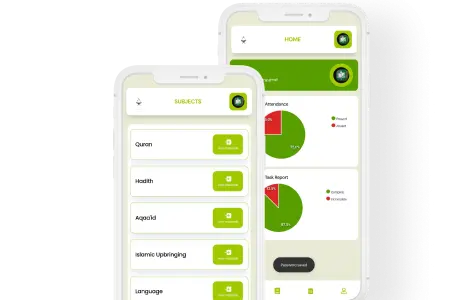
Administrative Management: The management of attendance, progression records, and parent communication in KAFA classes remains largely manual in many schools. Teachers are responsible for submitting data to the state-level SIMPENI system, but the day-to-day tracking of individual student progress in Quranic recitation — which student is at which stage of the Qa’ida, which students are ready to progress to Nazirah, which students need additional support — is typically handled through handwritten records with limited parent visibility.
Why KAFA Matters: The Stakes of Islamic Education at Primary Level
The scholars and educators who designed KAFA understood a fundamental reality: the primary school years — approximately ages seven to twelve — are the most critical years for the formation of Islamic identity, practice, and character. What is learned during these years, practised during these years, and loved during these years tends to remain for life. What is not learned during these years is extraordinarily difficult to acquire later.
Malaysia’s decision to create a nationally coordinated, state-managed, curriculum-standardised supplementary Islamic education programme — rather than leaving Islamic education entirely to individual families or community initiatives — reflects a serious commitment to ensuring that every Malaysian Muslim child receives the Islamic foundation they need. KAFA is that commitment made institutional and practical.
For parents, the KAFA class is not optional enrichment. It is the baseline of Islamic education that every Muslim child in Malaysia deserves to receive — and to receive well.




 Arabic
  English
  Malay
Malay  Urdu
Urdu