
Introduction
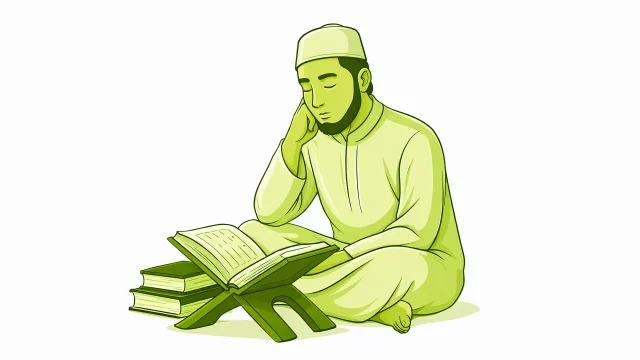
Sri Lanka has a well-developed Hifz (Quran memorisation) tradition — producing Hafiz and Hafiza from a Muslim community of approximately 2.2 million. What makes Sri Lankan Hifz education distinctive in the South Asian context is its Tamil medium — the language through which the Quran is explained, memorisation is taught, and Hifz teachers communicate with students and parents — and its use of the term Aamuktha for completed and consolidated memorised portions.
Understanding Hifz and Aamuktha in Sri Lanka is important both for those engaged with the island’s Islamic education sector and for anyone seeking to understand the full South Asian Islamic education terminology landscape.
Hifz Culture in Sri Lanka
| Feature | Details |
| Hafiz population | Significant — growing over recent decades |
| Social prestige | Hafiz/Hafiza title carries high honour in Sri Lankan Muslim communities |
| Family investment | Strong community priority — families seek Hifz teachers from early childhood |
| Completion celebration | Khatam ceremony — significant community event |
| Female Hifz | Well-developed — Sri Lanka has a notable female Hafiza population |
| Hifz career pathways | Teaching; Quran madrasa leadership; Arabic College Hifz instruction |
Sri Lanka’s Hifz culture is strong relative to the country’s Muslim population size. The combination of traditional Islamic values, Arab trading heritage, and active Hifz institutions has produced a community with deep commitment to Quran memorisation across generations.
What Is Aamuktha?
Aamuktha (ஆமுக்தா / آموختہ) is the Tamil-origin term used in Sri Lanka and South India (particularly Tamil Nadu, Kerala, and Karnataka) to describe a portion of the Quran that has been fully memorised, reviewed, and consolidated — essentially, what is “done” in the student’s Hifz journey.
| Term | Used In | Meaning |
| Aamuktha / Amuktha | Sri Lanka; South India | Completed/consolidated memorised portion |
| Sabak Para | North India; Pakistan; Bangladesh | Recently memorised — under reinforcement |
| Dhor | All regions | Older memorised portions — periodic revision |
| Manzil | All regions | Large weekly revision of the full memorised Quran |
The distinction between Aamuktha and Sabak Para is essentially the same underlying concept expressed through different linguistic traditions — South Indian Tamil vs North Indian Urdu-influenced Hindi. In both cases, the term refers to portions that have moved past the “new lesson” (Sabak) stage but require continued reinforcement.
In Sri Lanka’s Hifz system, Aamuktha typically refers specifically to the full body of memorised Quran that has been:
- Originally memorised as Sabak
- Consolidated through repeated revision
- Passed in review to the teacher’s satisfaction
- Considered part of the student’s secured, reliable memorisation
The Full Hifz Tracking System in Sri Lanka
Sri Lanka uses the four-stage system standard across South Asia, with Tamil terminology for the local context:
| Stage | Sri Lanka Tamil Term | Common Arabic/Urdu Equivalent | What It Means |
| New lesson | Sabak / புதிய பாடம் | Sabak | New portion being memorised today |
| Recent reinforcement | Sabak Para / சமீபத்திய பகுதி | Sabak Para | Recently memorised — daily recitation to consolidate |
| Completed/secured | Aamuktha / ஆமுக்தா | — (South India specific) | Memorised and consolidated — part of the secured Quran |
| Large revision | Manzil / மன்ஸில் | Manzil | Weekly full-Quran revision in 7 portions |
| Older revision | Dhor / தோர் | Dhor | Rotating revision of older memorised portions |
The use of Aamuktha in place of or alongside Sabak Para reflects the South Indian Tamil linguistic tradition — the same usage found in Tamil Nadu’s Islamic education contexts and brought to Sri Lanka by Tamil-speaking Muslim communities.
Institutional Structures for Hifz
Hifz education in Sri Lanka is delivered through several institutional types:
| Institution | Description |
| Hifz department within Arabic College | Most common for intensive Hifz — students follow Hifz alongside Islamic studies |
| Standalone Hifz institute | Dedicated Hifz only — residential or day-scholar |
| Mosque-based Hifz class | Imam or Hafiz teacher offering Hifz alongside regular Quran teaching |
| Home-based Hifz | Individual teacher taking students at home — significant informal sector |
The Arabic College Hifz department is the most structured pathway — combining formal Islamic studies with systematic Hifz, producing graduates who hold both a Hafiz qualification and substantive Arabic College academic achievement.
Standalone Hifz institutes focus exclusively on Quran memorisation — typically residential, with an intensive schedule similar to that of a Pakistani Dar-ul-Hifz or Bangladeshi Hafizia madrasa.
The Tamil Medium and Hifz
The Tamil medium of Sri Lankan Hifz education has several implications:
Instruction language: Hifz teachers explain memorisation techniques, Tajweed rules, and give encouragement in Tamil. The Quran itself is always in Arabic, but the teacher-student dialogue happens in Tamil.
Terminology: The distinctive Aamuktha terminology reflects Tamil linguistic tradition — a layer of South Indian Islamic education vocabulary overlaid on the Arabic core.
Parent communication: Reports to parents on student progress — which Surah has been memorised, Aamuktha progress, any difficulties — happen in Tamil. Parent letters, progress reports, and meetings are conducted in Tamil.
Records: Student Hifz records are typically maintained in Tamil-script for names and notes, with Arabic transliteration for Surah names and Quran references.
For Hifz software to be usable in Sri Lanka, Tamil script support is important — particularly for student names, parent communication, and teacher notes.
The Hifz Journey: From Sabak to Aamuktha
A typical Sri Lankan student’s Hifz journey:
- Qaida completion — Arabic literacy foundation before Hifz begins
- Nazra completion — full Quran reading fluently with basic Tajweed
- Tajweed certification — formal Tajweed rules studied and examined
- Hifz begins — Sabak starts, typically with the shorter surahs of Juz 30
- Progressive memorisation — moving Juz by Juz, with Sabak Para keeping recent portions fresh
- Aamuktha accumulates — as each Juz is consolidated to the teacher’s satisfaction, it enters Aamuktha
- Manzil revision — once enough Quran is memorised, weekly Manzil revision begins
- Full completion — all 30 Juz memorised and in Aamuktha
- Khatam ceremony — final recitation before teacher and community; Hafiz/Hafiza title bestowed
Completion: The Khatam Ceremony
The Khatam (ختم) — literally “completion” or “seal” — is the ceremony marking a student’s completion of the full Quran memorisation. In Sri Lanka, the Khatam is a significant community event:
- The student recites a final portion of the Quran before their teacher, family, and community
- The teacher formally declares the student to be Hafiz/Hafiza
- Prayers are made for the student and their family
- A gathering (walimat) may follow — community celebration and du’a
- The student may receive a certificate from their Arabic College or Hifz institute
The Khatam is equivalent to the Ameen ceremony in Bangladesh and the Dastarbandi in some North Indian contexts — a milestone of deep significance for student, family, and community.
Female Hifz in Sri Lanka
Female Hifz education is well-developed in Sri Lanka:
- Many Arabic Colleges have female Hifz sections
- Dedicated female Hifz institutes operate in areas with large Muslim populations
- Female teachers (Hafiza) teach female students — purdah-compliant arrangements are standard
- Sri Lanka has a notable female Hafiza population
- Female Hafiza graduates often go on to teach Quran in Quran madrasas and from home
The social prestige of the Hafiza title for women is high — families invest significantly in daughters’ Hifz education, and the female Hafiza population is an important component of Sri Lanka’s Islamic education infrastructure.
Administrative Management of Hifz
Hifz administration in Sri Lanka faces the same challenges as across South Asia — with the added complexity of Tamil-medium records:
Individual progress tracking. Each student’s Sabak, Aamuktha extent, and Manzil progress must be tracked individually. Paper notebooks work but fail when teachers change or are absent.
Parent communication in Tamil. Progress updates to parents happen verbally or via WhatsApp; structured written Tamil-language progress reports are rare.
Aamuktha recording. The specific point at which a portion moves from Sabak Para to Aamuktha — fully consolidated — is a teacher judgment that should be systematically recorded but often isn’t.
Completion documentation. When a student achieves full Hifz, the Khatam ceremony deserves proper documentation — date, teacher, witnesses — that manual systems handle inconsistently.
Good Hifz management software that supports Tamil names, the Aamuktha terminology, and the four-stage tracking system addresses all of these challenges.
Frequently asked questions
Q: Is Aamuktha the same as Sabak Para?
They are closely related but not identical. Sabak Para (used in North India, Pakistan, Bangladesh) refers to recently memorised portions under active daily reinforcement. Aamuktha (used in Sri Lanka and South India) more specifically refers to portions that have been fully memorised and consolidated — past the intensive reinforcement stage. The exact usage varies by teacher and institution.
Q: How long does Hifz take in Sri Lanka?
For a full-time dedicated student in a residential Hifz programme, 2–4 years is typical. Part-time students alongside government school attendance may take 4–7 years. The pace depends on daily hours and individual aptitude.
Q: What happens after a student completes Hifz in Sri Lanka?
Many Hafiz/Hafiza continue to further Islamic education in the Arabic College programme or at Jamiya Naleemiya. Others take up teaching careers — Quran madrasa teaching, private Hifz instruction, or Arabic College Hifz teaching. Some enter the online Quran teaching market for diaspora students.
Q: Is Tamil used in the Quran itself or only for instruction?
The Quran is always recited in Arabic — the Arabic text is never altered. Tamil is used for explanation, instruction, teacher-student communication, and parent reporting. Memorisation is of the Arabic text.
Q: Are there Hifz competitions in Sri Lanka?
Yes — Quran recitation and Hifz competitions are held at mosque, district, and national levels in Sri Lanka. These events showcase Hafiz/Hafiza talent, raise community engagement with Hifz education, and provide recognition for outstanding students and their teachers.
Conclusion
Hifz education in Sri Lanka — using the distinctive Aamuktha terminology alongside the universal Sabak, Dhor, and Manzil stages, delivered in Tamil medium through Arabic College Hifz departments and standalone institutes — is a well-developed tradition serving a community with deep commitment to Quran memorisation. The Tamil-medium character gives Sri Lankan Hifz its distinctive terminology and administrative requirements, particularly for software that must support Tamil names and communications alongside the Islamic education workflow.
Ilmify supports Sri Lankan Hifz institutions — with native Aamuktha tracking alongside Sabak, Dhor, and Manzil, Tamil name support, parent communication in Tamil, and completion documentation for the Khatam ceremony. Explore Ilmify →





 Arabic
  English
  Malay
Malay  Urdu
Urdu