

Introduction
Kerala’s Muslim community — approximately 27% of the state’s population, or around ten million people — has produced one of the most complex and developed Islamic education ecosystems in India. Far from being a monolithic system, Kerala Islamic education is a landscape of multiple boards, traditions, and institutions, each with its own history, theological orientation, curriculum, and community base.
For a parent choosing a madrasa, a teacher building a career, or an administrator managing an institution, understanding this landscape is not optional — it is essential. The wrong assumption (that all Kerala madrasas are the same, or all follow the same curriculum) leads to confusion, misplaced expectations, and poor decisions.
This article maps every major stream of Kerala Islamic education — who they are, where they come from, how they differ, and how they relate to each other.
The Five Major Streams of Kerala Islamic Education
| Stream | Bodies | Tradition | Scale |
| Traditional Sunni (mainstream) | SKIMVB | Sunni Shafi’i — Samastha mainstream | Largest — 1M+ students |
| Traditional Sunni (Kanthapuram) | SKSVB | Sunni Shafi’i — Kanthapuram faction | Significant; strong in north Kerala |
| Islahi / Salafi | KNM, AMSI | Mujahid / Islahi / Salafi tradition | Significant — own school network |
| Islamist / Integrated | JIH-affiliated bodies, MTB | Mawdudi-influenced | Integrated schools model |
| Independent Sunni | Wisdom Islamic Organisation | Independent Sunni | Strong in central / south Kerala |
| Deobandi / Hanafi | Idara-e-Deeniyat (affiliated centres) | Deobandi Hanafi | Specific communities |
Each stream has a distinct history, theological orientation, and approach to Islamic education.
Stream 1: SKIMVB — Mainstream Samastha
Tradition: Traditional Sunni Shafi’i
Scale: Largest Islamic education body in Kerala — 1M+ students; thousands of affiliated madrasas
Geography: All 14 Kerala districts; also Tamil Nadu and Karnataka
SKIMVB runs the most comprehensive Islamic education programme in Kerala — 14 levels, 140+ textbooks, in six languages. Rooted in traditional Shafi’i fiqh, it teaches classical Islamic sciences and maintains a commitment to traditional scholarship. Madrasa attendance under SKIMVB is a cultural norm for the vast majority of Kerala’s Sunni Muslim families.
For a full overview, see What Is Samastha Kerala? and Samastha Syllabus.
Stream 2: SKSVB — Kanthapuram Samastha
Tradition: Traditional Sunni Shafi’i — Kanthapuram faction
Scale: Significant; particularly strong in Malabar (northern Kerala)
Geography: Primarily Kozhikode, Malappuram, Kannur, Kasargod districts
SKSVB runs its own curriculum, textbooks, and examination system — broadly similar to SKIMVB in theological content, representing the educational wing of the Kanthapuram faction. The practical educational experience for students is very similar to SKIMVB, with differences primarily at the institutional and certification level.
For a detailed comparison, see SKIMVB vs SKSVB: Understanding Kerala’s Two Samastha Bodies.
Stream 3: Kerala Nadvathul Mujahideen (KNM) and AMSI
Tradition: Islahi (reform tradition) — Salafi-influenced; sometimes called Mujahid in the Kerala context
Founded: 1950
Scale: Significant — own network of schools and educational institutions
Geography: Statewide; particular strength in certain districts
Theology and Educational Character
KNM represents what is known in Kerala as the “Islahi” or “Mujahid” tradition — a reformist movement that emerged in reaction to practices the reformers considered innovations (bid’ah) without basis in the Quran and Sunnah.
| Issue | Samastha Position | KNM Position |
| Mawlid celebrations | Legitimate Sunni practice | Innovation (bid’ah) |
| Taqlid (madhab following) | Firm Shafi’i madhab | Critical of strict taqlid |
| Sufi practices | Broadly supportive | Critical |
| Dars (shrine visitation) | Permitted | Opposed |
These differences affect what is taught in madrasas — students learn the rulings and practices that align with their tradition’s theological position.
Educational Bodies
- AMSI (Al Madina Sunni Islamic) — runs a network of schools and educational institutions affiliated with KNM
- KNM-affiliated madrasas with their own curriculum and textbooks
KNM-affiliated madrasas teach Islamic education reflecting the Islahi/Salafi orientation: Quran, Tajweed, and Islamic practice within a framework critical of traditional Sufi practices and emphasising direct reference to Quran and Hadith.
Stream 4: Jamaat-e-Islami Affiliated Bodies
Tradition: Mawdudi-influenced — distinct from both Samastha and Mujahid traditions
Founded: JIH 1948; Kerala activities from the same period
Scale: Significant in certain communities; nationally connected through Markazi Taleemi Board (MTB)
Theology and Educational Character
Jamaat-e-Islami Hind follows the thought of Mawdudi, emphasising the comprehensive political and social dimensions of Islam — the idea of an Islamic movement that transforms society — rather than focusing primarily on individual religious practice or traditional scholarship.
In education, JIH-affiliated institutions tend to emphasise:
| Feature | JIH Approach |
| Curriculum type | Integrated — Islamic studies + secular subjects unified |
| Civic values | Strong emphasis on Islamic civic and social responsibility |
| Contemporary engagement | Curriculum engages with current issues from Islamic perspective |
| Structure | Typically full-time or integrated schools; not part-time madrasas |
Educational Bodies in Kerala
- Markazi Taleemi Board (MTB) — the national JIH-linked education body also operates in Kerala (see What Is the Markazi Taleemi Board?)
- Islamic schools run by JIH-affiliated trusts — typically full-time or integrated institutions
- SIO (Students Islamic Organisation) — the student wing of JIH, running educational programmes for older students
JIH-affiliated institutions attract families who want their children to receive both strong Islamic formation and strong secular academic preparation in an integrated framework.
Stream 5: Wisdom Islamic Organisation
Tradition: Independent Sunni — within the broader Sunni tradition but distinct from Samastha
Scale: Significant; particularly strong in central and southern Kerala
Geography: Strong in Ernakulam, Thrissur, and surrounding districts
Character and Distinctives
Wisdom represents an attempt to create a structured Islamic education system that is within the Sunni tradition but operates independently of the Samastha bodies. It is associated with approaches that emphasise:
- Contemporary engagement with Muslim community needs
- A somewhat more flexible approach to curriculum than the highly traditional Samastha system
- Outreach to English-speaking and urban Muslim communities
Wisdom runs its own network of affiliated madrasas, with its own textbooks and examination framework. Its presence is particularly strong in districts like Ernakulam where the Muslim community has a significant urban, professional, and English-speaking element.
Stream 6: Idara-e-Deeniyat (Hanafi / Deobandi)
Tradition: Deobandi — Hanafi
Head Office: Delhi
Presence in Kerala: Significant among specific communities
As discussed in detail in Deeniyat Kerala, Idara-e-Deeniyat operates in Kerala primarily among:
- Communities of North Indian Muslim heritage
- Areas where other boards are less established
- Mixed communities where families prefer the Hanafi-curriculum Deeniyat system
The presence of a Hanafi, Urdu-medium curriculum in a state where the vast majority of Muslims follow the Shafi’i madhab and speak Malayalam creates inherent tensions that Deeniyat-affiliated madrasas in Kerala must navigate deliberately.
How the Streams Relate to Each Other
Historical Rivalry
The Samastha (traditional Sunni) and Mujahid (KNM) traditions have been in theological and cultural competition in Kerala since the early twentieth century — a deeply rooted division in Kerala Muslim society. Families, mosques, and communities often identify strongly with one tradition or the other.
Parallel Infrastructure
Each major stream maintains its own parallel infrastructure:
| Infrastructure | Details |
| Mosques | Many mosques are aligned with one particular stream |
| Madrasas / Islamic schools | Each stream has its own affiliated institutions |
| Textbooks and examinations | Each stream’s education body has its own publications and examination system |
| Scholars and teachers | Career pathways are largely stream-specific |
| Social and charitable institutions | Separate charitable and welfare organisations |
Points of Cooperation
Despite theological differences, these bodies cooperate on:
- Representing Muslim community interests to state and central government
- Response to anti-Muslim discrimination or communal tensions
- Humanitarian and charitable work
- Support for international Muslim causes
The differences coexist with a shared identity as Kerala Muslims and a shared commitment to community welfare.
Choosing a Madrasa: A Practical Guide for Kerala Families
| Your Background / Preference | Recommended Stream |
| Traditional Sunni Shafi’i — mainstream Kerala Muslim | SKIMVB or SKSVB Samastha-affiliated madrasa |
| North Malabar — Kanthapuram community alignment | SKSVB |
| Islahi / Mujahid / Salafi tradition | KNM or AMSI-affiliated institution |
| Integrated education — both Islamic and secular excellence | JIH-affiliated Islamic school / MTB-linked institution |
| Independent Sunni; urban/English-speaking | Wisdom-affiliated madrasa |
| North Indian Muslim heritage; Hanafi preference | Deeniyat-affiliated maktab |
In practice, most families choose the madrasa closest to their home — which in most Kerala Muslim neighbourhoods means a Samastha (SKIMVB or SKSVB) affiliated institution.
The Digital Landscape Across All Boards
One feature common to virtually all of Kerala’s Islamic education streams — regardless of theological tradition — is the near-complete absence of digital administration tools. SKIMVB, SKSVB, KNM, Wisdom, and Deeniyat-affiliated madrasas all rely predominantly on paper registers and WhatsApp groups.
This is a significant opportunity. Kerala’s Muslim community is digitally literate, smartphone penetration is high, and there is genuine appetite for better tools — particularly among younger administrators and teachers. Purpose-built madrasa management software that supports Malayalam, handles part-time madrasa structures, and integrates Quran progress tracking would find a receptive market across all of Kerala’s Islamic education streams.
For what is available, see Madrasa Management Software for India.
Frequently Asked Questions
Q: Which is the largest Islamic education body in Kerala?
SKIMVB (Samastha Kerala Islam Matha Vidyabhyasa Board) is the largest, with over one million enrolled students across thousands of affiliated madrasas statewide.
Q: What is the main difference between Samastha and KNM (Mujahid) madrasas in Kerala?
The core difference is theological: Samastha is rooted in the traditional Sunni Shafi’i tradition, supporting traditional scholarly authority and practices like mawlid celebrations. KNM follows the Islahi/Salafi tradition, which views many traditional practices as innovations and emphasises direct reference to Quran and Hadith.
Q: Does Wisdom Islamic Organisation follow Shafi’i fiqh?
Yes — Wisdom is within the broader Sunni tradition and follows Shafi’i fiqh, as is standard for Kerala’s Muslim community. Its distinctiveness is institutional rather than in its basic madhab.
Q: Can a child attend a JIH-affiliated school and also go to a Samastha madrasa?
In principle yes, though in practice the timetable demands of a full-time integrated JIH school may leave limited time for a separate Samastha evening madrasa. Many JIH school families rely on the Islamic education provided within the integrated school itself.
Q: Are all Kerala Islamic education boards opposed to each other?
No — while there are genuine theological and historical differences between the streams, they cooperate on community representation, social welfare, and responses to anti-Muslim discrimination. The differences are real but coexist with a shared Kerala Muslim identity.
Conclusion
Kerala’s Islamic education landscape includes six distinct streams — SKIMVB and SKSVB (both Samastha), Kerala Nadvathul Mujahideen (Islahi/Salafi), Jamaat-e-Islami affiliated bodies (integrated model), Wisdom Islamic Organisation (independent Sunni), and Idara-e-Deeniyat (Deobandi/Hanafi). Each has its own curriculum, textbooks, examination system, and community base. Understanding which stream a particular madrasa belongs to — and what that means for curriculum, madhab, and certification — is essential for parents, teachers, and administrators working in Kerala Islamic education.
Whatever stream your institution belongs to, the administrative challenges of managing students, tracking Quran progress, and communicating with parents are the same across all boards.
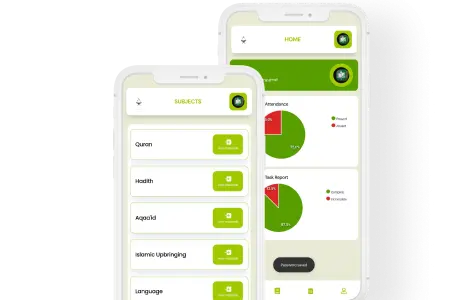
Ilmify is built for Kerala Islamic education — supporting Malayalam-medium communication, the Samastha level structure, Quran progress tracking in both North Indian and South Indian terminology, and the part-time evening madrasa model used across all of Kerala’s major streams. Explore Ilmify →




 Arabic
  English
  Malay
Malay  Urdu
Urdu